 TÜRKİYE
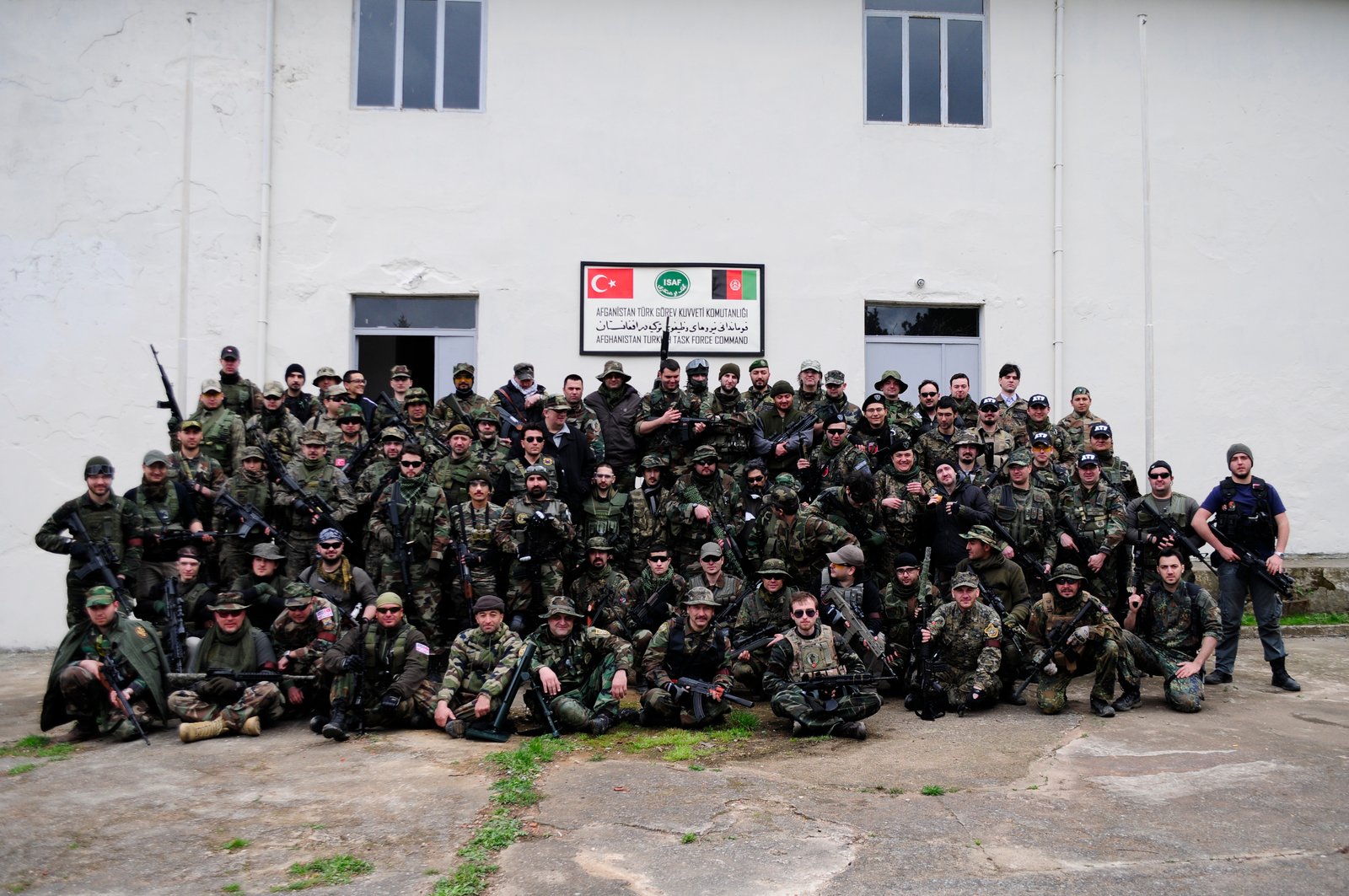
A team is made up of people who combine their knowledge, skills and effort to achieve a shared goal. Each member contributes different experiences. Trust and the willingness to work together turn those contributions into a shared strength.
Being an airsoft team follows the same principles. Embracing shared goals, dividing responsibilities, listening to each other and supporting teammates are the foundations of acting together.
From Gathering Together to Becoming a Team
Being in the same place, sharing a hobby or wearing the same uniform can be the beginning of team culture. That culture grows through shared aims, open communication, clear roles and mutual responsibility.
Team members share skills, experiences, feelings and ideas. They reflect on how well they work together, recognise shortcomings and make time to improve. Openness and honesty are the foundations of these relationships.
Key Features of Teamwork
- Shared goal: Members know what the team wants to achieve and direct their efforts towards that goal.
- Mutual support: Each member understands that their contribution complements those of others.
- Team identity: Members enjoy belonging to the team and value shared success.
- Trust and respect: Different views are heard and everyone's knowledge and experience are valued.
- Sharing: Responsibilities, workload and decisions are handled together.
- Clear roles: Members know what is expected of them and their responsibilities towards one another.
- Development: The team reflects on its performance, welcomes new ideas and changes its approach when needed.
Working Together Within a Team
It is important to align personal aims with shared goals. Rather than competing in ways that undermine each other's contributions, members focus on improving the team's success.
Cooperation makes decisions easier to put into practice. Different skills and experiences generate more solutions, reveal mistakes sooner and allow members to learn from one another.
Disagreements are part of this process too. An environment where views can be expressed respectfully helps resolve differences and develop the team.
Unity and Commitment
Unity and commitment are two important elements of team culture. Unity directs members' knowledge, skills and energy towards shared aims. Commitment is the sense of belonging members feel towards each other and the team.
Shared purpose, trust, enthusiasm, participation and loyalty support this culture. Recognising and appreciating contributions strengthens morale and the willingness to work together.
How a Team Works
- Task: A team works to carry out a particular task or achieve a shared goal. Members should understand the task and the expected outcome.
- Individual needs: Each member brings different needs, skills and expectations. These differences are considered alongside shared goals.
- Solidarity: Members keep communication and relationships active. They support one another while carrying out the task.
Building and Developing a Team
Building a team is not a one-off task. It is an ongoing process in which members get to know each other, develop working relationships and adapt to changing needs.
The shared task must be explained clearly, roles defined, responsibilities divided and expected outcomes discussed. Every member should understand why they are part of the team and how they can contribute.
Unclear tasks, roles or expectations make teamwork more difficult. Discussing problems in time and reviewing the team's approach together helps remove this uncertainty.
Seven Features of a Strong Team
- Purpose: Shared goals and members' roles in reaching them are clear.
- Confidence: Members trust their skills and their ability to overcome obstacles together.
- Communication: Ideas and feelings are shared openly. Listening matters as much as speaking.
- Flexibility: The team adapts to changing conditions and updates its methods when needed.
- Effective working: Decision-making and problem-solving methods support working together.
- Appreciation: Individual contributions and team achievements are recognised and valued.
- Morale: Members enjoy working together and look to the future with hope.
Being an Effective Team Member
- Contribute ideas and solutions.
- Recognise differences and respect other members' views.
- Listen actively, ask questions and share information.
- Fulfil the responsibilities you accept.
- Welcome feedback and remain patient and flexible.
- Seek solutions when discussing problems rather than targeting people.
- Appreciate your teammates' contributions and enjoy working together.
Teamwork brings different people's skills and experiences together around a shared purpose. Thinking, sharing and solving problems together helps overcome challenges and strengthens team spirit.