 TÜRKİYE
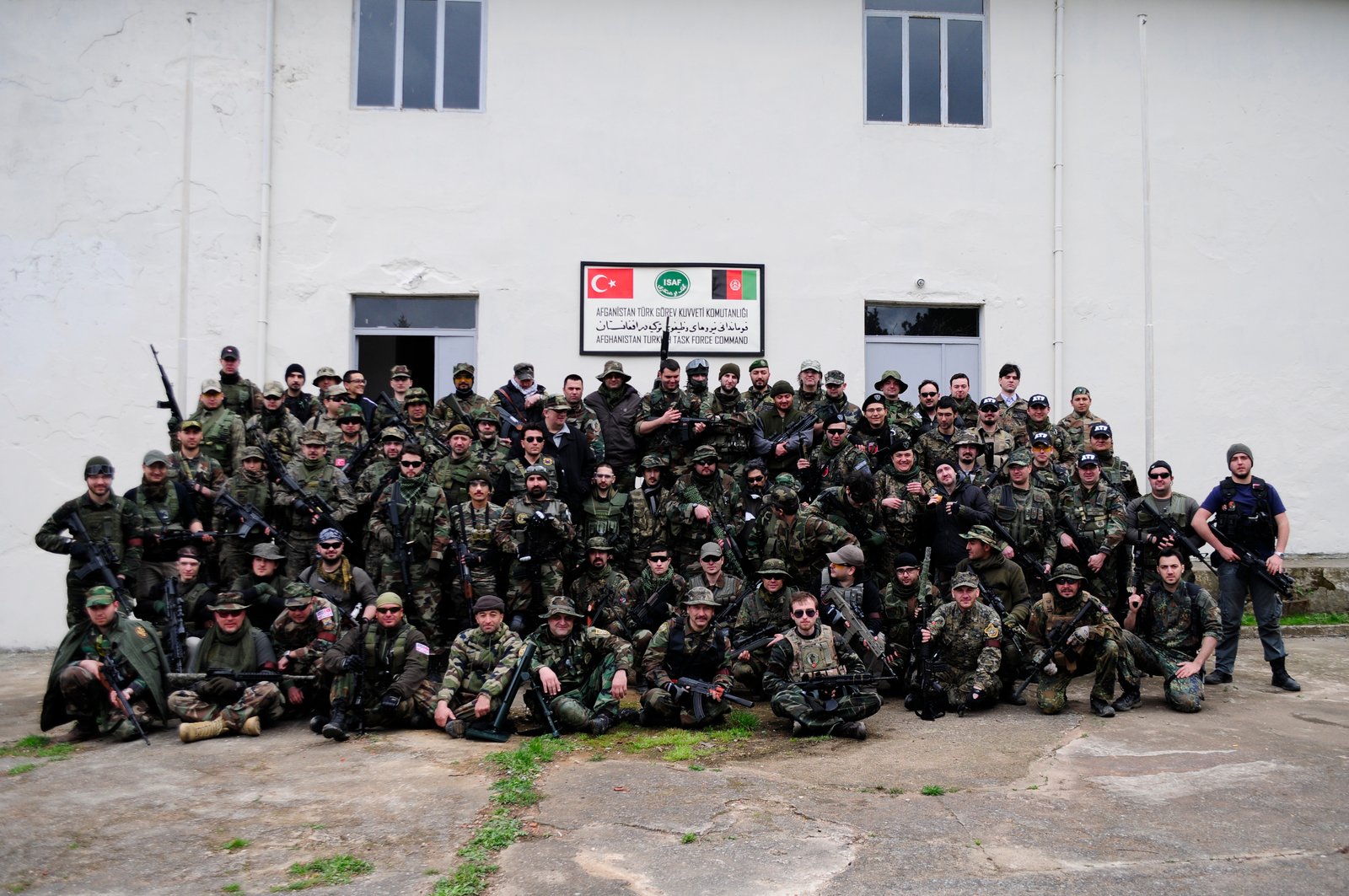
Airsoft replicas fall into different groups according to their power source and mechanism. Their common principle is to use air or gas pressure to propel a plastic BB, usually 6 mm in diameter, through the barrel.
Spring — Spring Powered
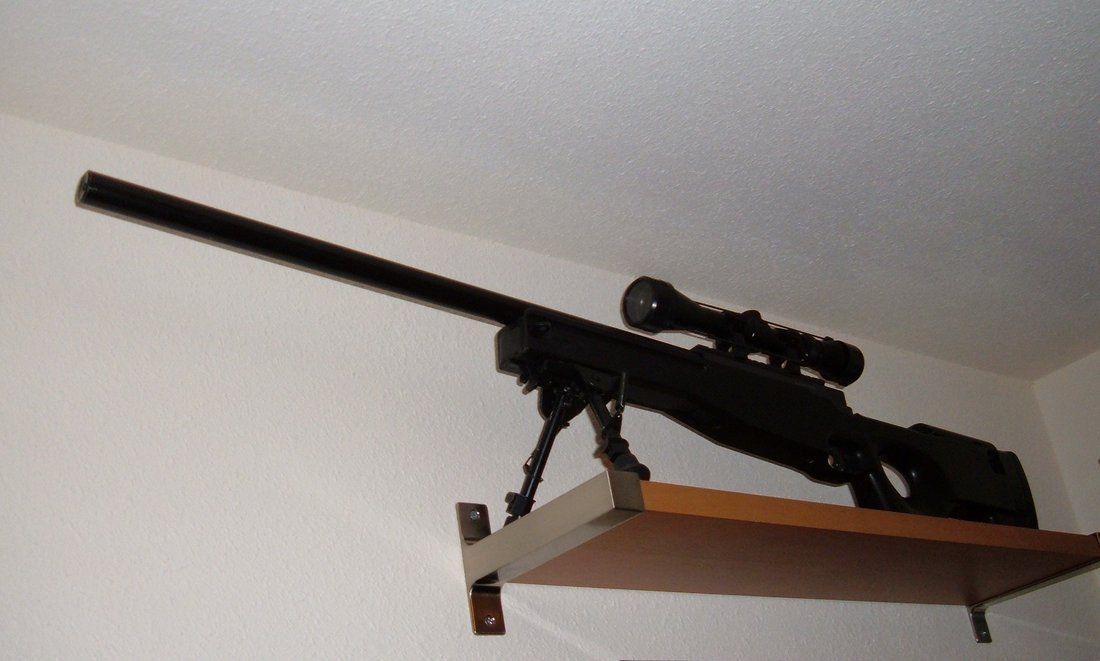
The spring is cocked manually. When the trigger releases the piston, the spring drives it forward; compressed air propels the BB through the barrel. This is used in spring sniper replicas and some shotgun models.
AEG — Electric
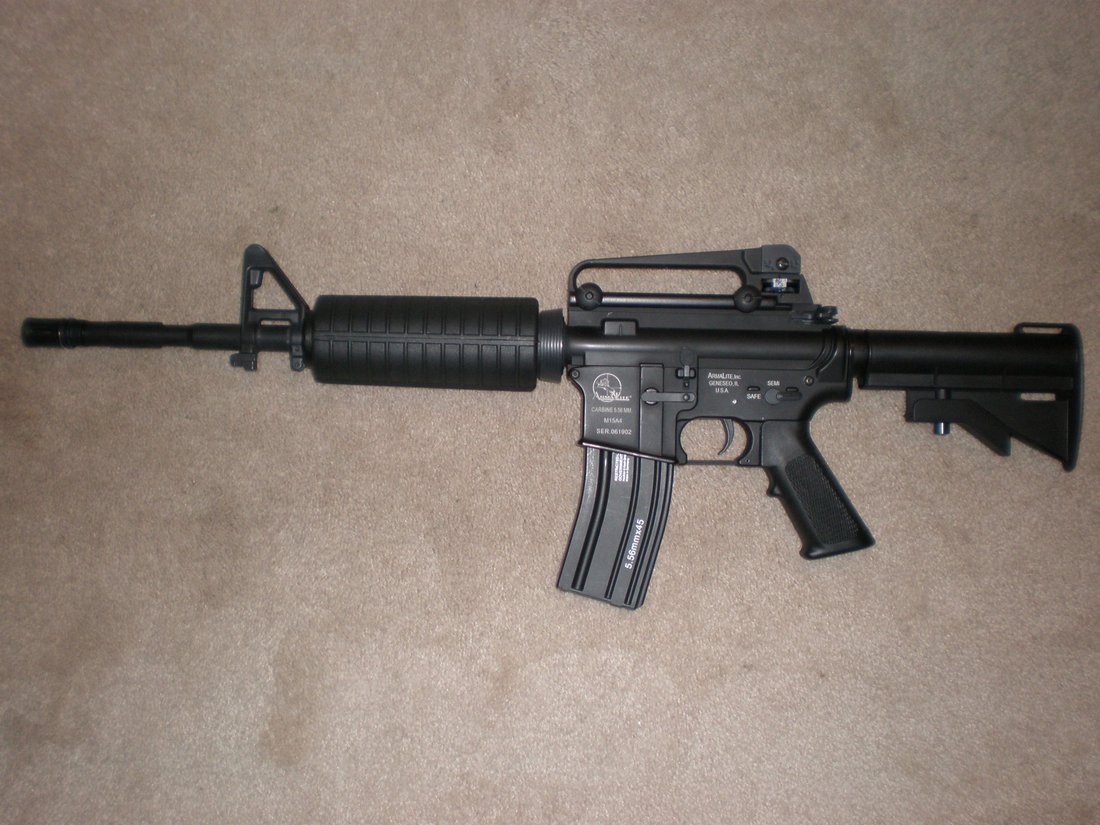
The battery powers a motor. The motor and gears draw the piston back and compress the spring; the forward stroke pressurises the air in the cylinder. A mechanical or electronic trigger system controls the firing cycle.
AEG mechanism — animated cross-section
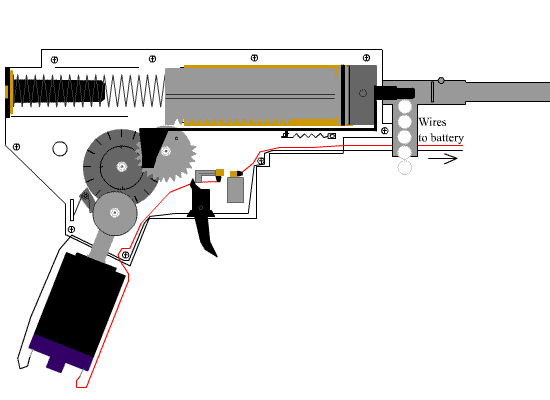
AEG cycle
- The battery supplies power to the electric motor.
- The motor's movement is transmitted to the gears.
- The gears draw the piston back and compress the spring.
- The feeding mechanism places the BB in the firing position.
- The piston moves forward; air in the cylinder propels the BB through the barrel.
- Hop-up applies backspin to the BB, affecting its flight.
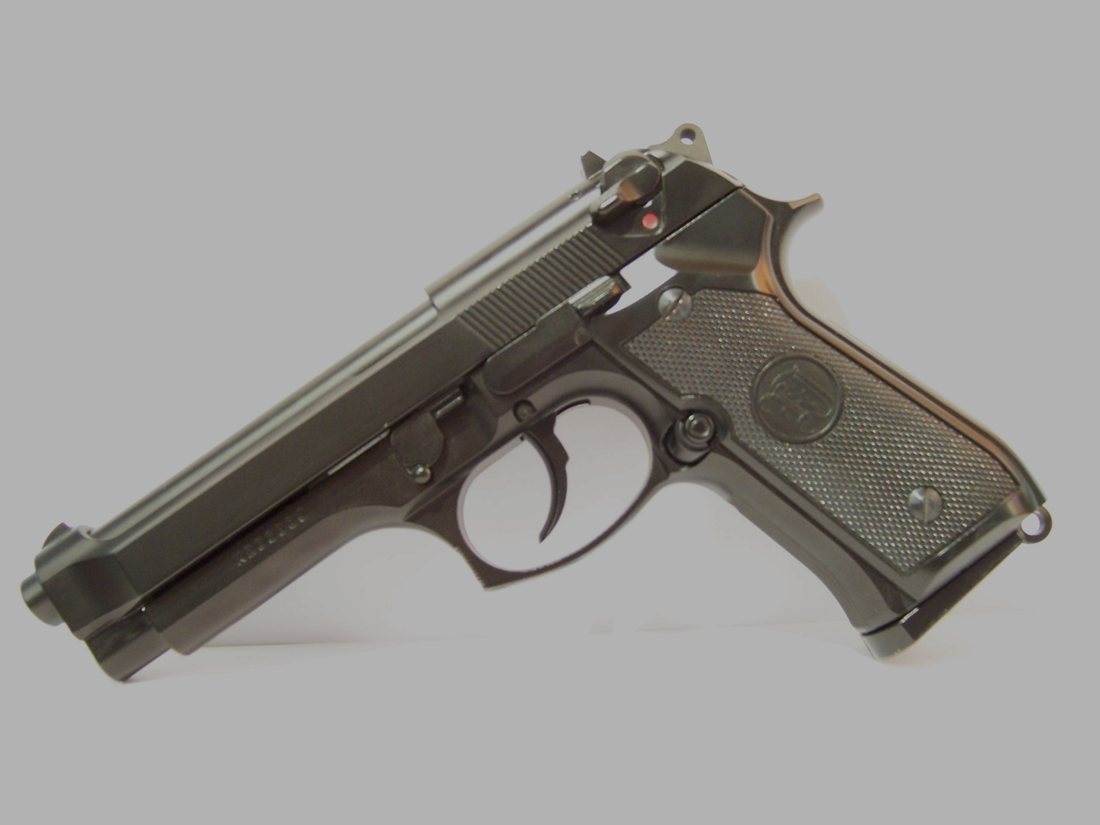
GBB — Gas Blowback
Gas drives the BB through the magazine and valve system. In blowback models, the slide or action also moves to produce a recoil sensation. This is common in gas pistols.
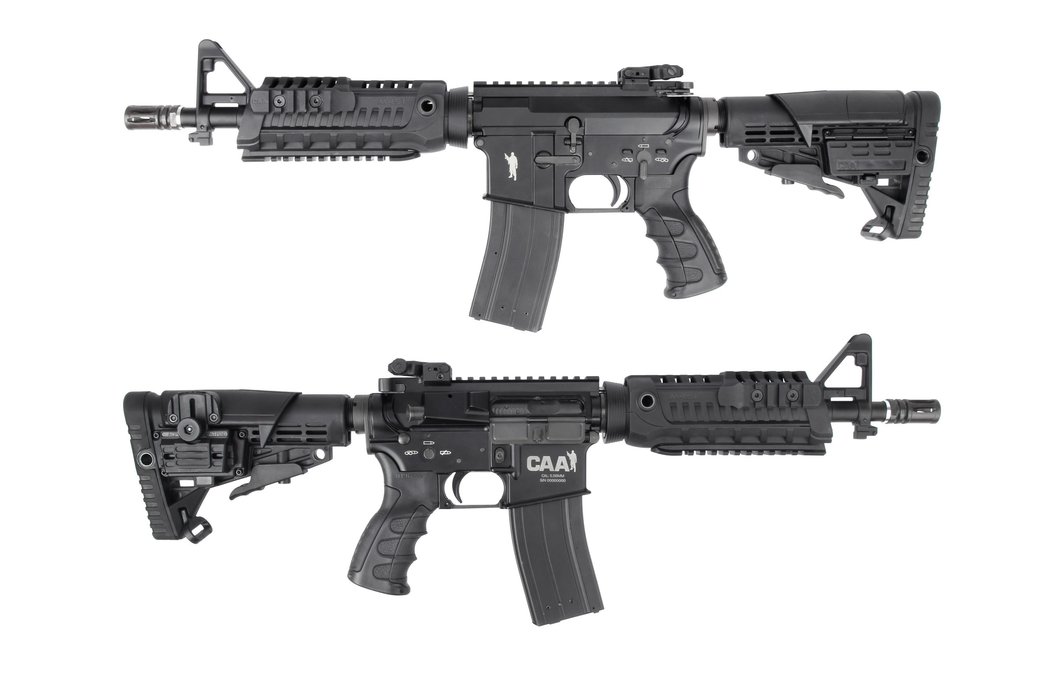
GBBR — Gas Blowback Rifle
The gas blowback principle applied to rifles. The magazine, valve, nozzle and moving action work together; movement of the action is an important part of the experience.
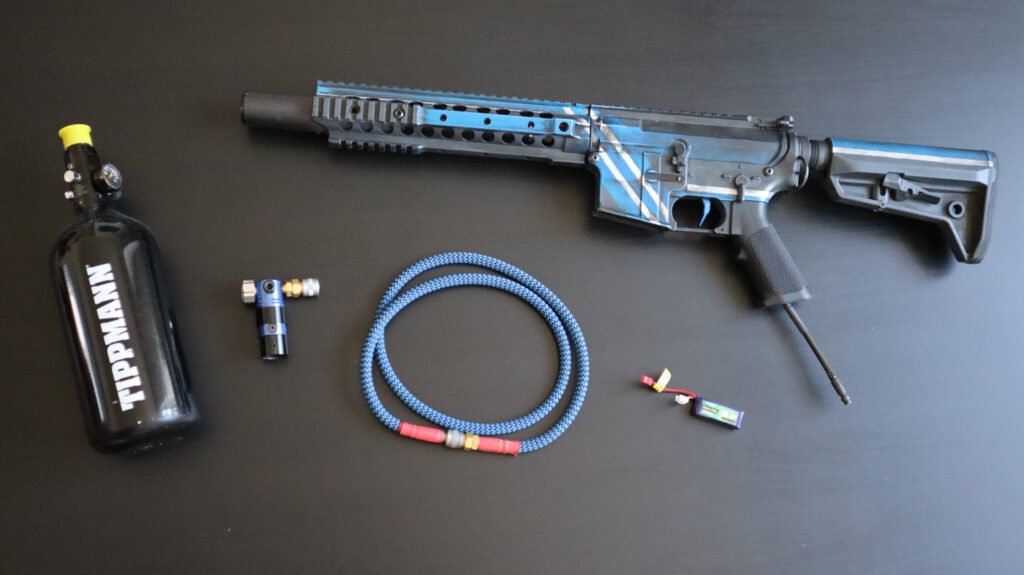
HPA — High Pressure Air
Air stored in a tank passes through a regulator to the replica's air system. A mechanical or electronic valve arrangement controls the airflow required for each shot.
A beginner’s technical guide
What does each part inside an AEG do? Use this glossary alongside the animated cutaway above. Layout and compatibility vary by model.
Motor and gears
The motor transfers rotation through the bevel, spur and sector gears. The sector gear pulls the piston back and compresses the spring.
Spring and spring guide
The spring stores energy for the piston’s forward movement. The spring guide helps keep it aligned inside the gearbox.
Piston and cylinder
The piston head compresses air as it travels through the cylinder. Seals and the cylinder head help direct this air through the nozzle towards the BB.
Nozzle and tappet plate
The nozzle delivers air to the BB and moves during feeding. In common AEG designs, the tappet plate times this movement with the gear cycle.
Hop-up and inner barrel
The hop-up unit applies backspin to the BB. The inner barrel guides the BB until it exits; the outer barrel is a separate part surrounding it.
Safety and trigger system
The trigger activates the motor through mechanical contacts or electronic controls. In common gearbox designs, the anti-reversal latch prevents the gears from turning backwards.
How does hop-up work?
The hop-up rubber, or bucking, contacts the top of the BB. A pressure piece called the nub transfers pressure from the adjustment arm to the rubber. This contact produces backspin; its interaction with the airflow affects the BB’s flight through the Magnus effect.
Too much hop-up can make the BB climb; too little can make it drop early. Adjust in small steps using your chosen BB weight, wearing eye protection in the field’s designated firing area. Hop-up adjustment does not remove the requirement to comply with energy limits.
Compatibility, clean operation and adjustment
FPS alone does not determine flight. Hop-up contact, barrel condition, BB quality and compatible parts all matter. Consult the model’s manual and experienced technical support before opening a gearbox or changing parts.